



Logline
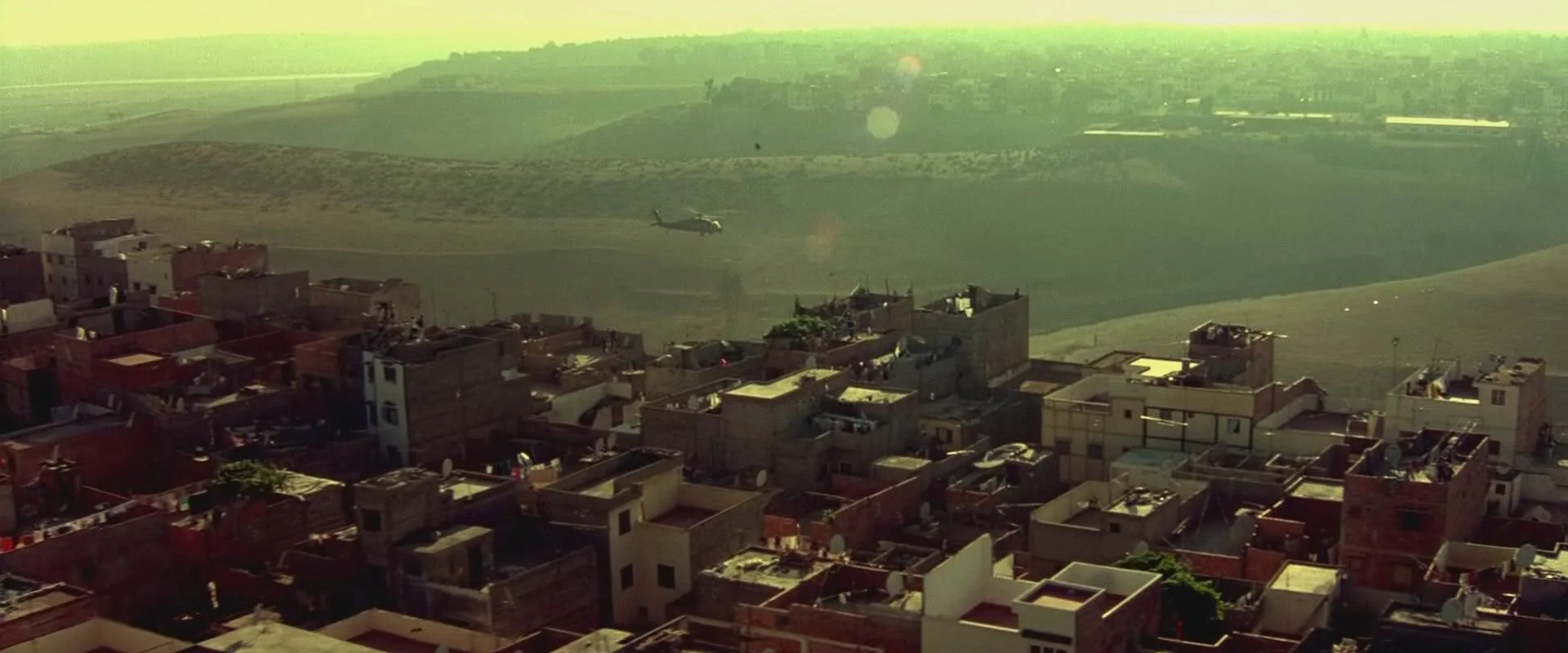
After falling into a well in the Afghan desert during a firefight, a Marine with no radio signal, no food, no water, and his entire squad dead above him has nowhere left to hide from himself.
Budget
The confined setting, limited cast, and practical locations make this an achievable production without sacrificing the visceral intensity the story demands. This is a film where constraint serves the art.
Details
Genre: Action + War
Script Status: Complete
Page Count: 82
Characters: 2 principal, 2 supporting
Locations: 1 primary (80% of script pages)
Act I
The Story of Lee Mills
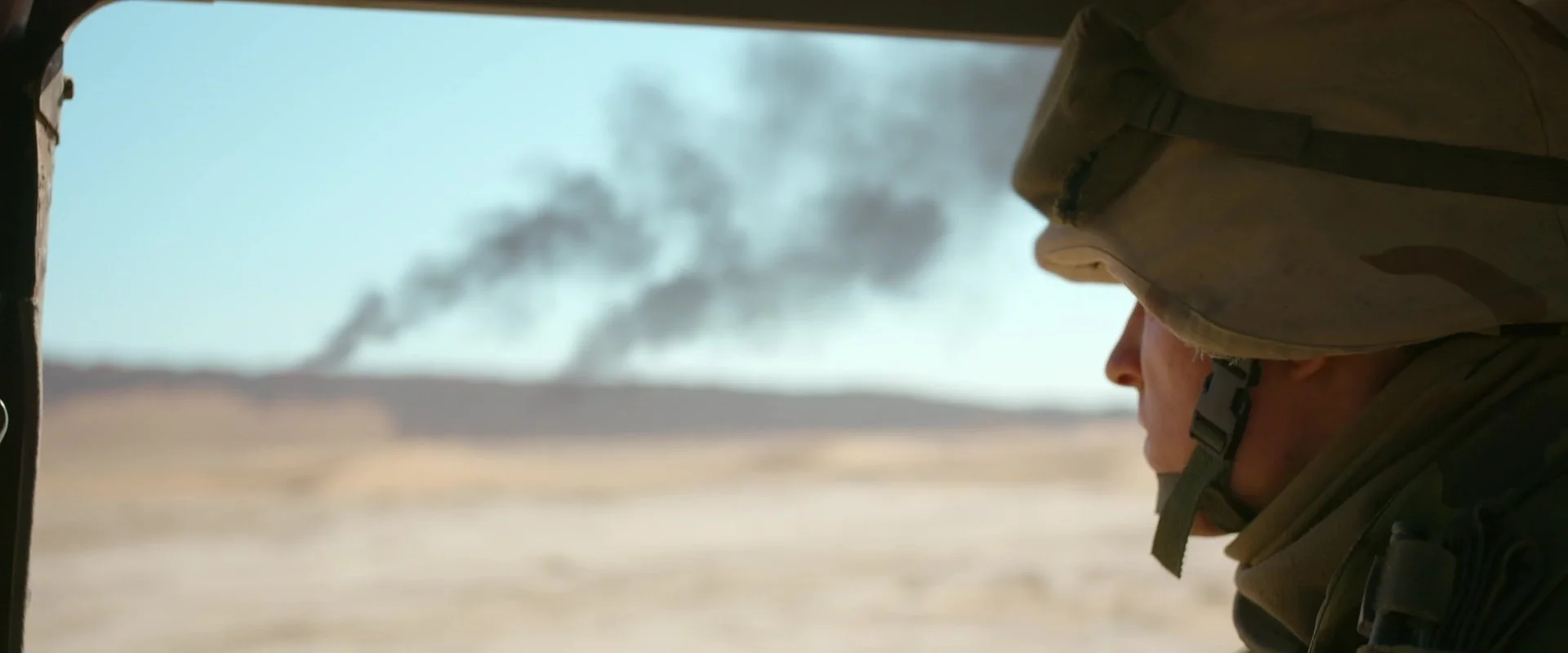
Staff Sergeant Lee Mills is a Marine on the edge. Skilled in the field but chronically at odds with authority, he is quietly unraveling — a marriage collapsing, a family slipping away, a pattern of self-destruction he can't name and won't stop.
The Ambush. The Fall.
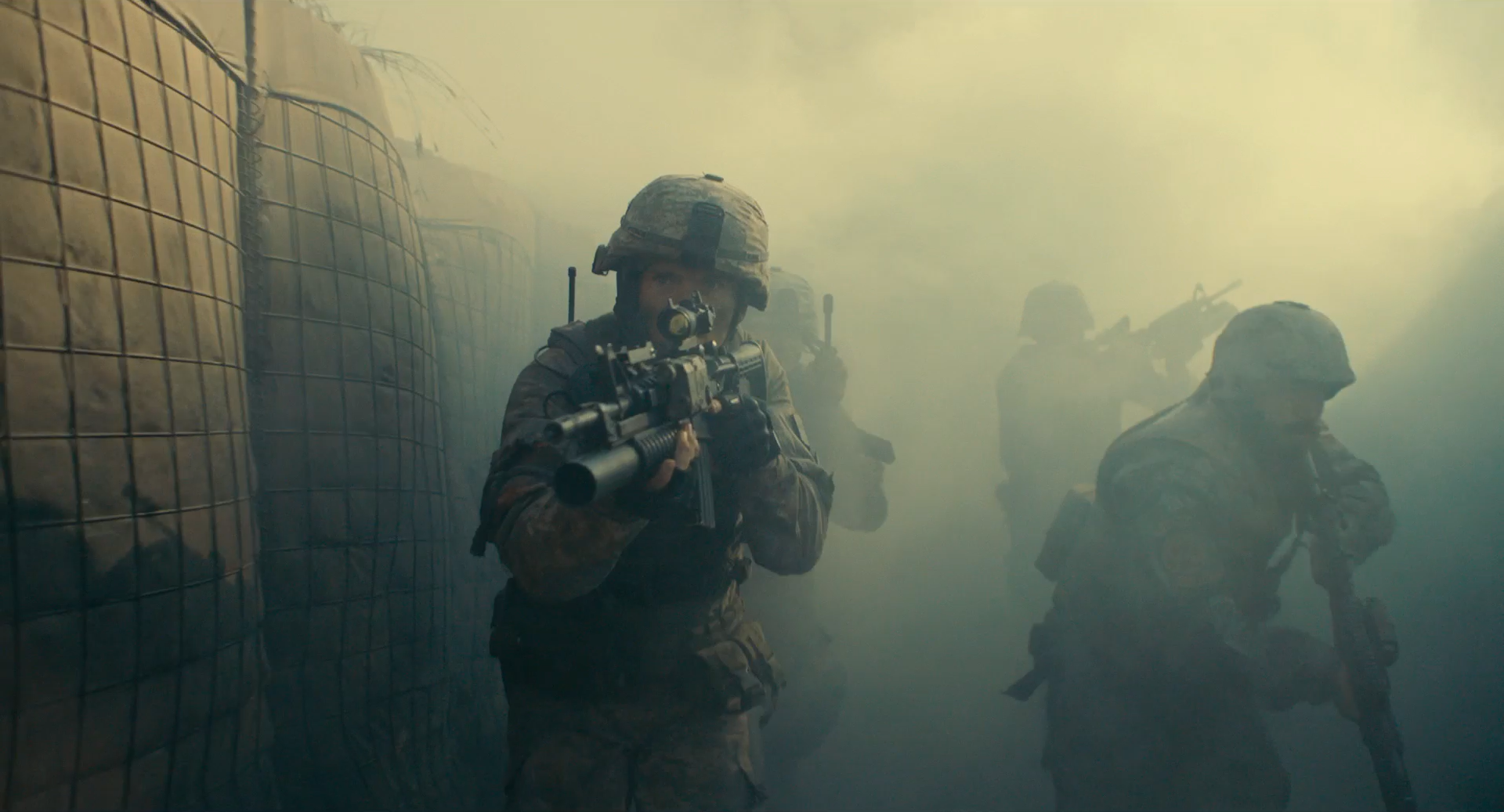
When Mills’ squad deploys on a routine drone recovery mission in Helmand Province, what should be a clean in-and-out operation erupts into a devastating ambush. One by one Mills watches his squad fall — until he's the last man standing. Charging the enemy in a rage, he disappears into the Afghan desert — swallowed by a dried well, forty feet down, alone.
• Page 18 •
Mills’ foot hits air as the ground disappears.
He drops, falling into darkness.
Down.
Down.
Down.
He crashes into the ground.
Black.
Act II
The Battle Inside
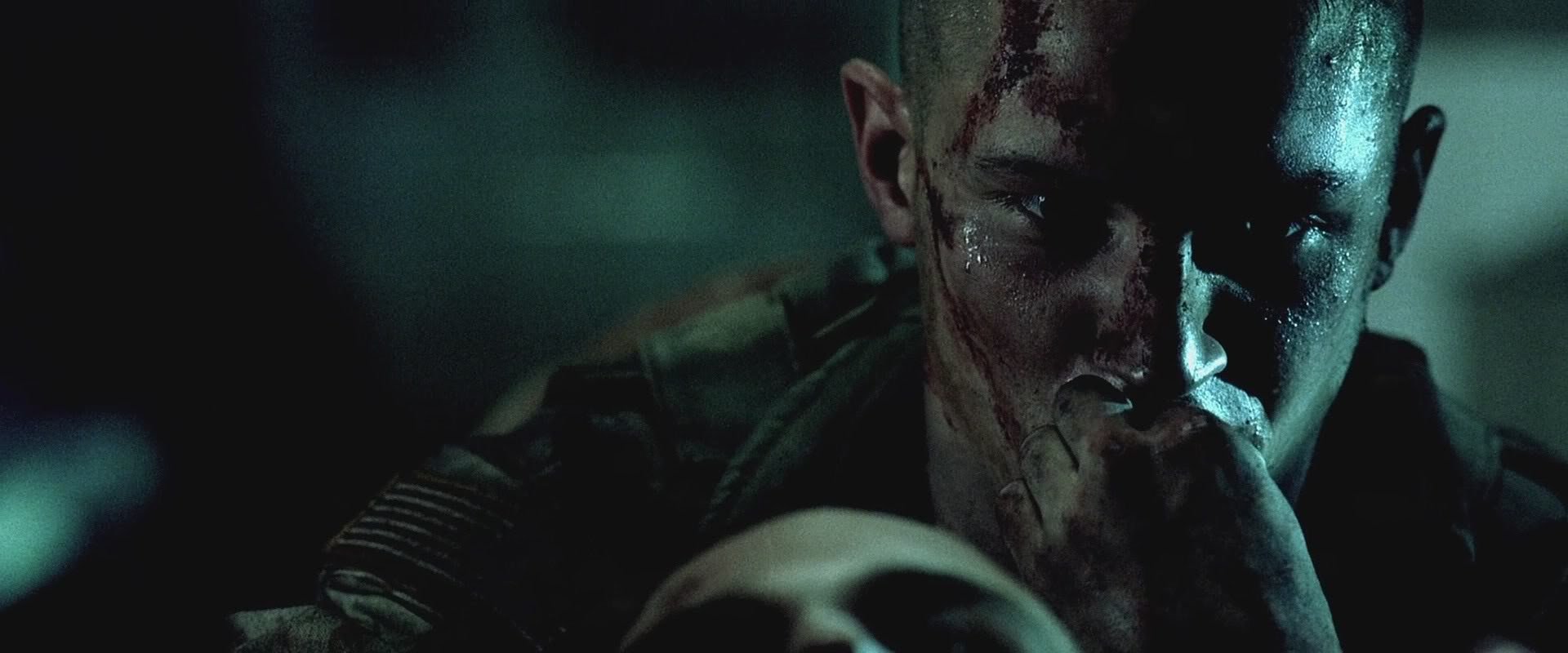
With a broken body, no food, no water, and a radio that can't reach anyone, Mills wages war on two fronts simultaneously. Physically he must survive enemy soldiers who find the well, a wild animal that falls in beside him, a grenade dropped into the shaft, shrapnel wounds, and a flash flood that nearly drowns him. Internally he is forced to reckon with everything the darkness strips bare — his failed marriage, his abandoned children, and the father whose worst qualities he has spent a lifetime becoming.

Above + Below
His only thread of human connection is Noor, a teenage Afghan girl he saves from assault above the well, who returns at enormous personal risk with food, water, and an unlikely act of grace. When Mills finally hits his absolute lowest point — his own gun pressed to his temple — it's the life still ahead of him that makes him drop the weapon and fight his way back to the surface.
• Page 67 •
Mills ascends. Through the waste. The pain. The death.
He bursts into the open air. The rainfall cascades, crashing against him, washing away the mud and filth.
Act III
Out, but into the fire
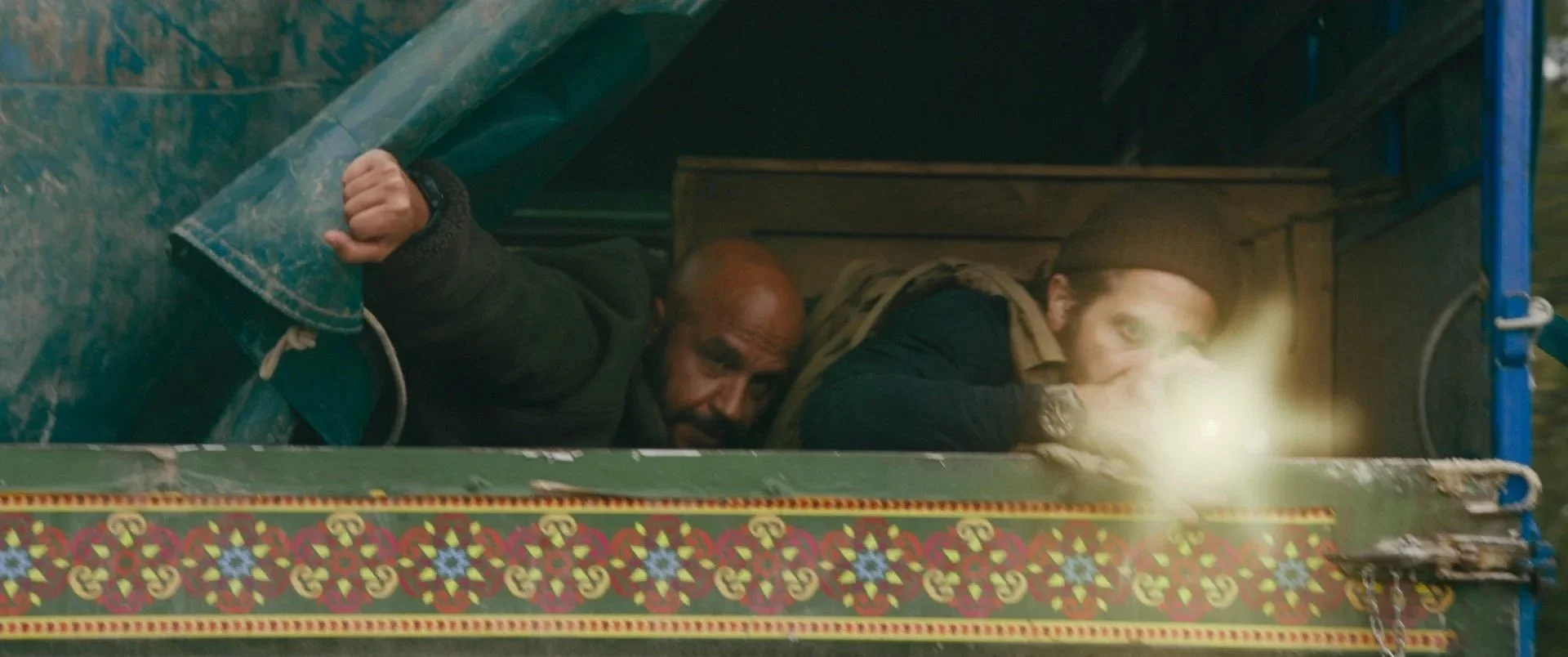
Noor and her father pull Mills from the well with nothing but a rope and a truck — two people who had every reason to let him die choosing grace instead. The rescue erupts into a firefight as enemy soldiers close in.
Reborn
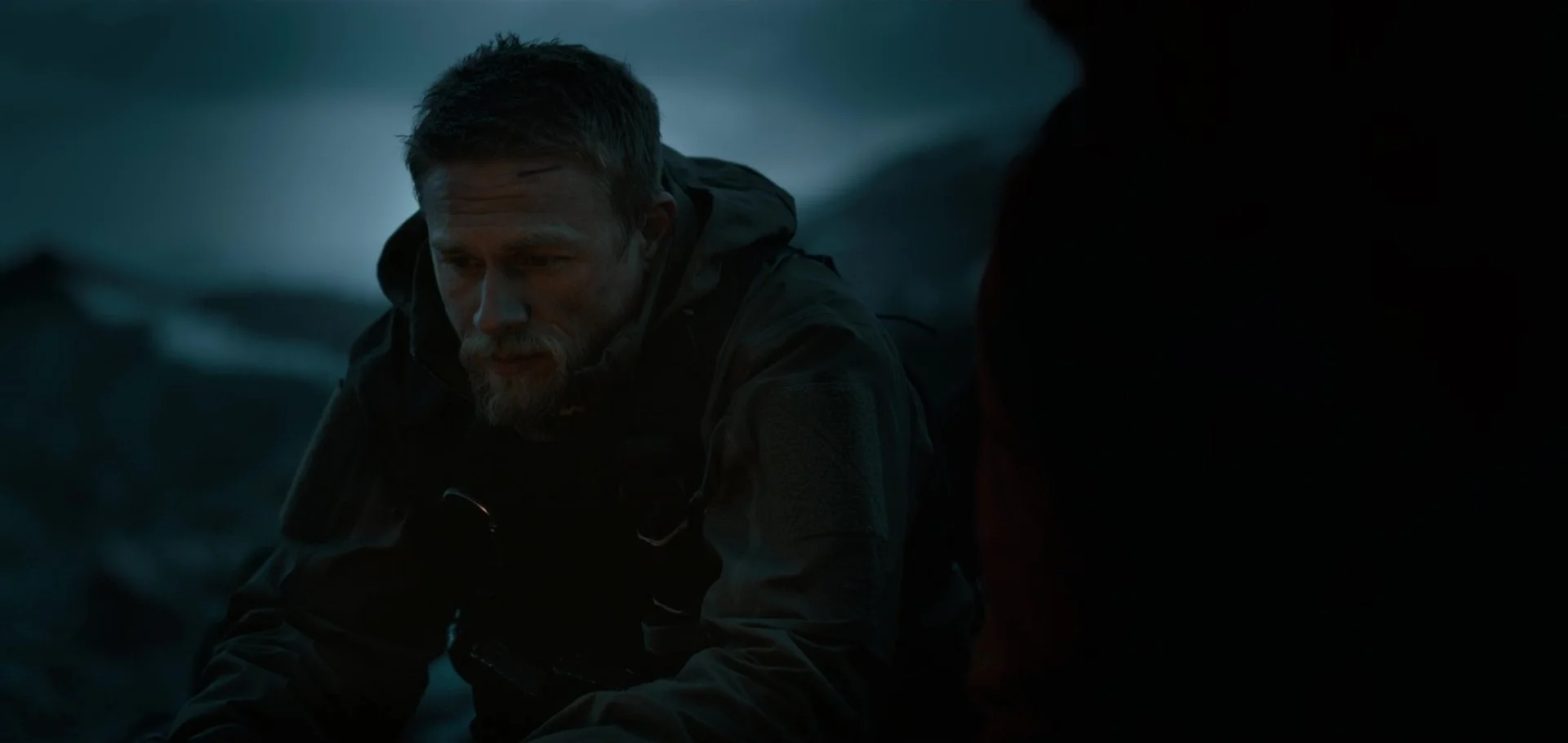
Mills is broken, barely alive, but fighting alongside the two Afghans who saved him until a Black Hawk arrives and ends it. Lying on his back in the rain with the storm passing overhead, Mills is left with the only question that matters: now that he's out of the well, who does he choose to become?
• Page 78 •
The Black Hawk lifts off.
Below, cut into the desert floor, is the well.
Mills watches it shrink as they rise.
Characters
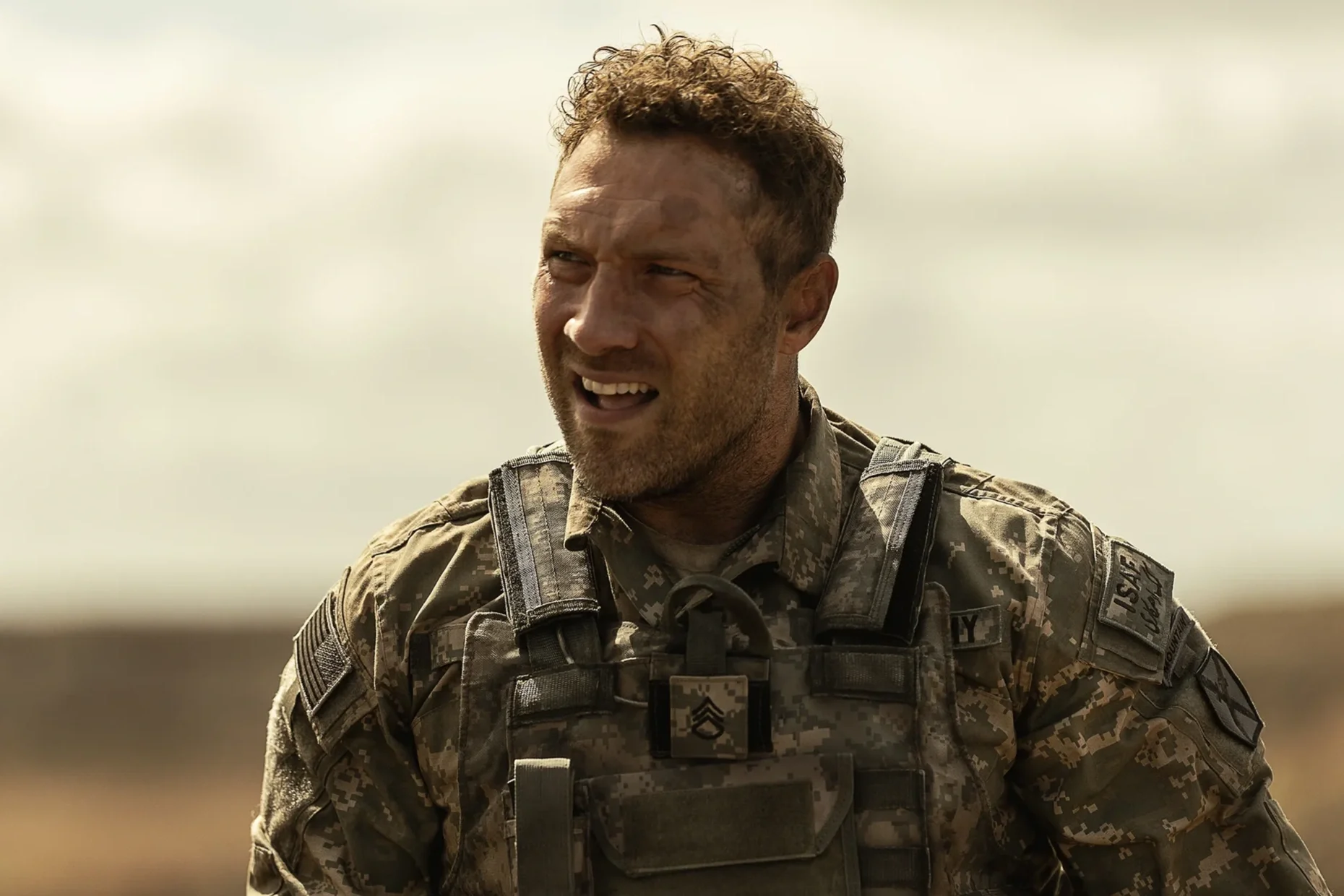
Mills has spent his whole life running from his father — and become him anyway. Skilled but chronically at odds with authority, he is unraveling in every direction — a marriage collapsed, a family slipping away, a pattern of self-destruction he can't name and won't stop. The well doesn't break him. It just finally makes him stand still long enough to see himself clearly.
Staff Sergeant, United States Marine CorpsLee Mills

An Afghan woman living under the shadow of conflict near her rural home — quietly resilient, quietly brave, and asking nothing from the world that hasn't already taken everything from her. She has no reason to help the American soldier in the well. Every reason not to. And yet she comes back. Again and again. In a script full of men who walk away from the people who need them, Noor is the one who stays.
Afghan National, Helmand ProvinceNoor
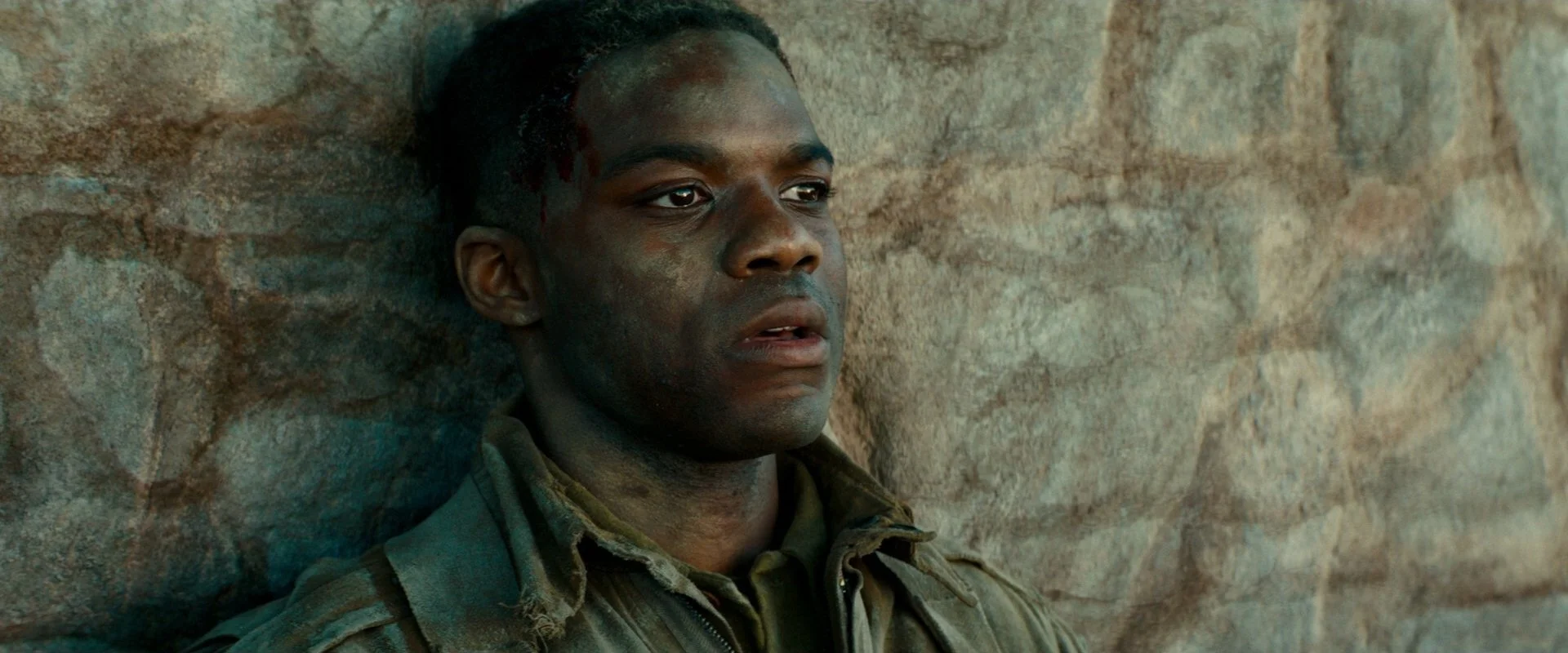
Nathan Cross
Sergeant, United States Marine CorpsThe squad's quiet believer — a Marine who carries his Bible the way other men carry photographs, not as a shield but as an anchor. Cross doesn't preach and he doesn't judge. He simply lives by something Mills can't name and isn't sure he believes in. He dies too early and leaves too much behind — including a book with a verse underlined that will outlast him in ways he never could have imagined.

Wendy Mills
Wife of Sgt. Mills, mother of twoMills' wife is not a victim of her husband's failures — she's a woman who saw them coming and loved him anyway, right up until she couldn't anymore. Warm, clear-eyed, and quietly devastating in her honesty, Wendy understands Mills better than he understands himself. She is everything the well forces him to remember — and everything he has to become worthy of again.
Visual Style
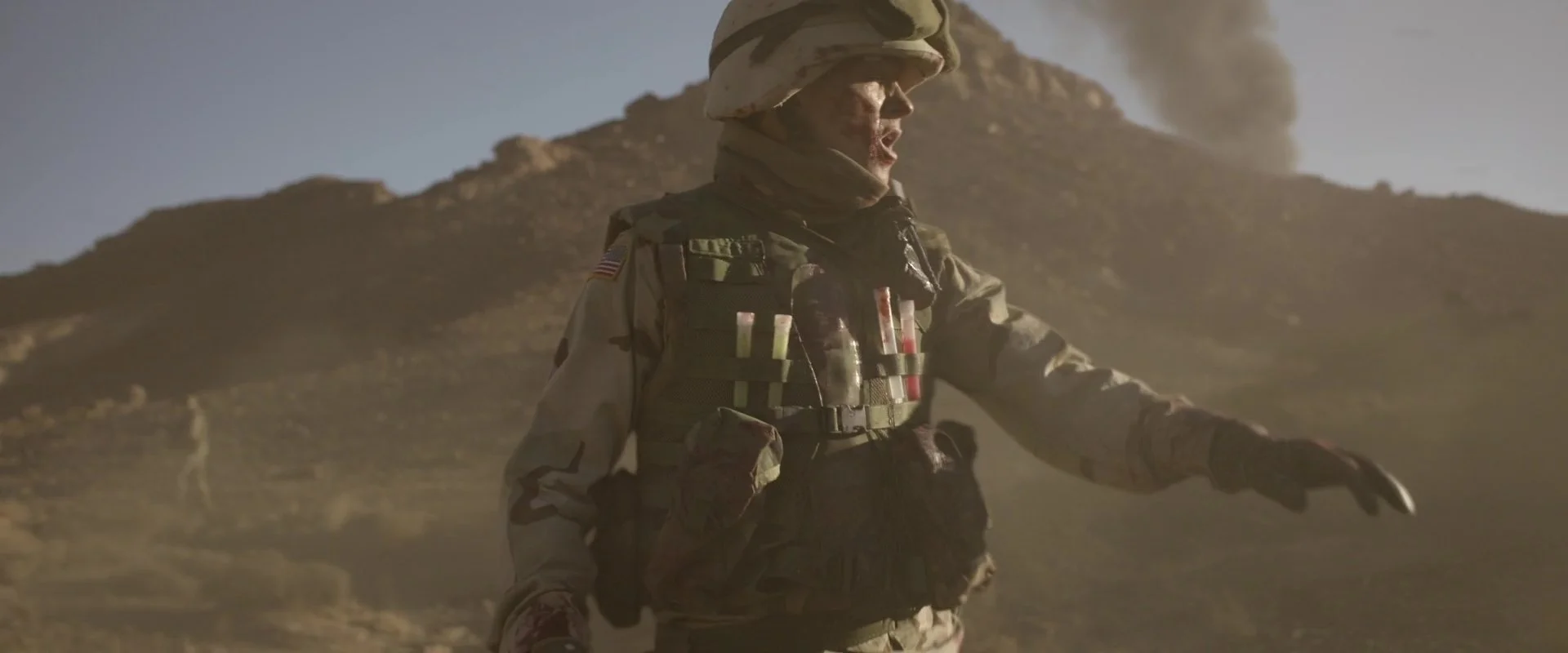
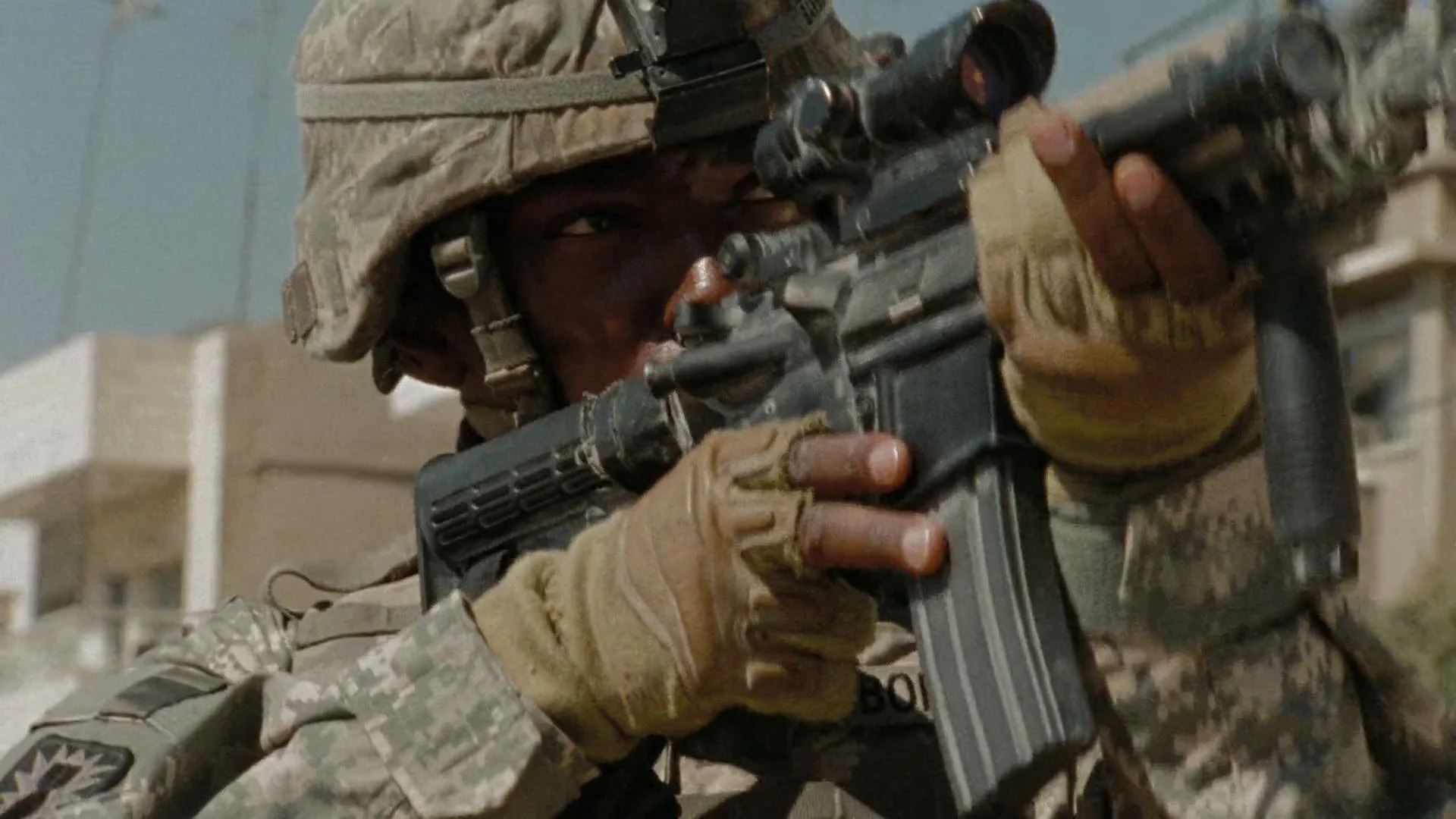
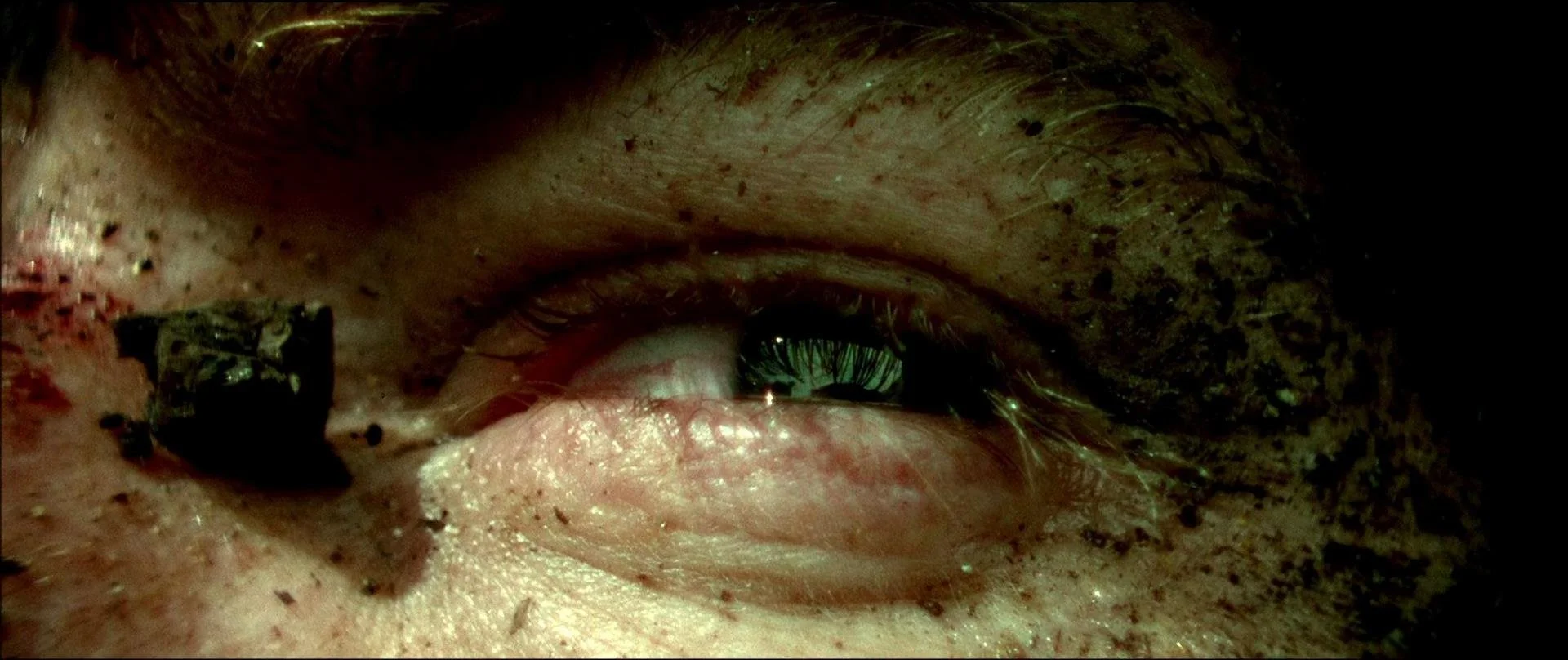
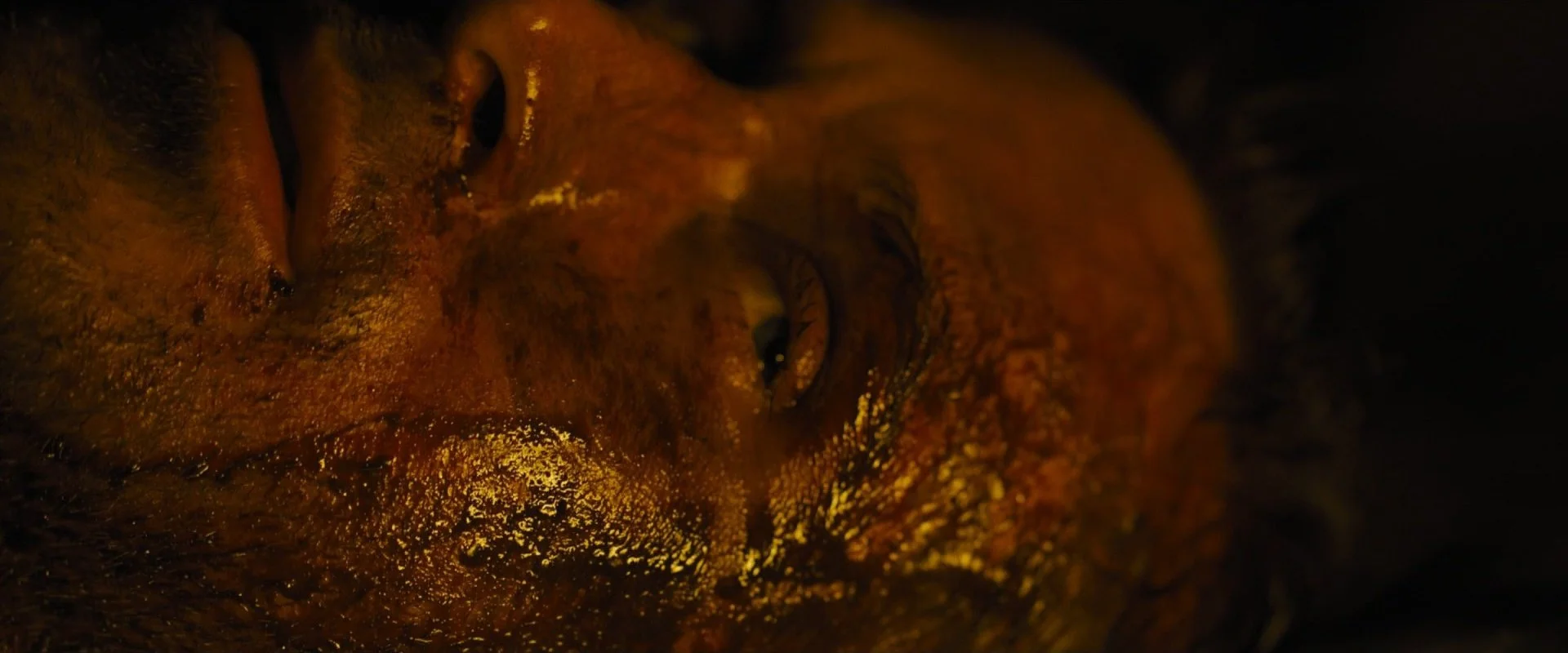
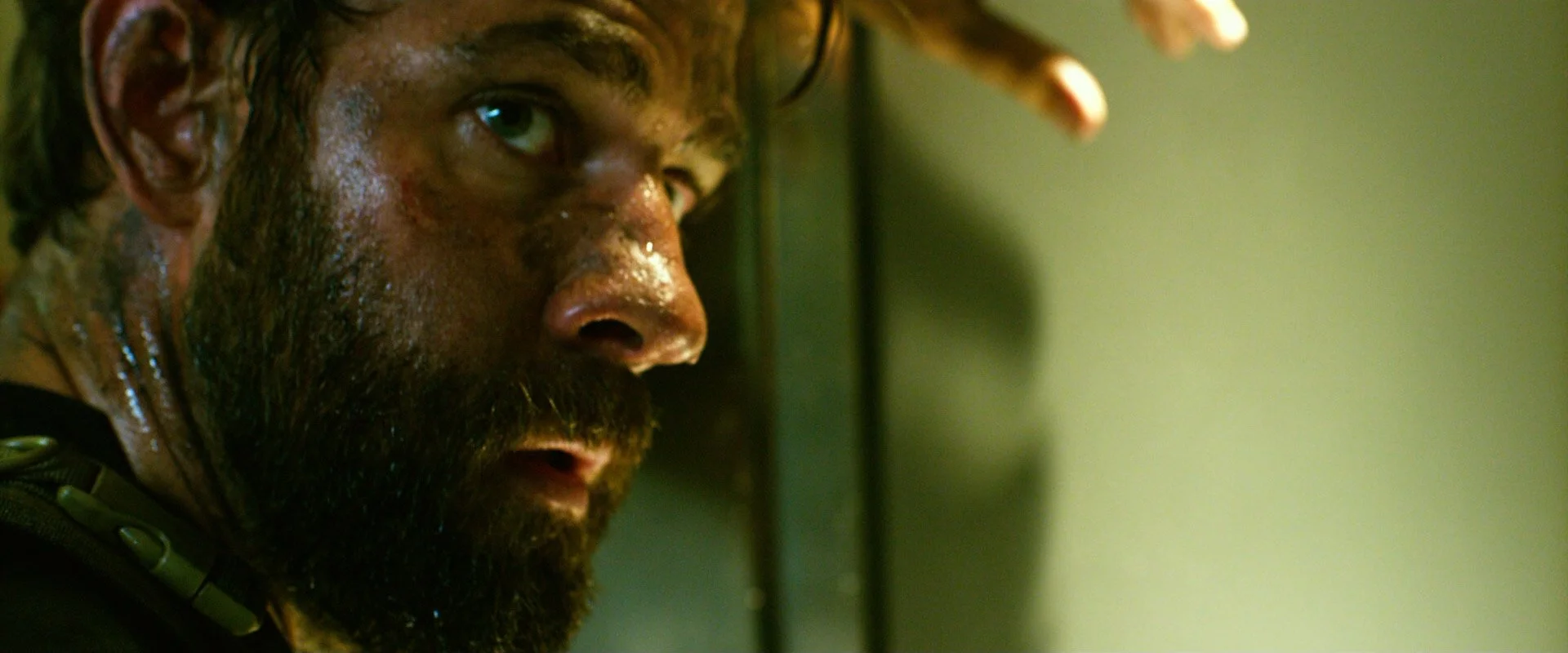
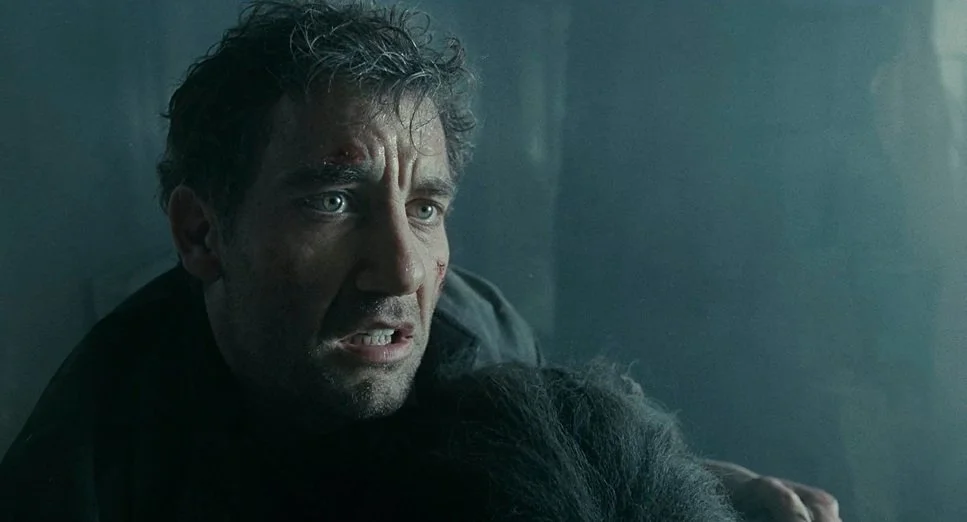
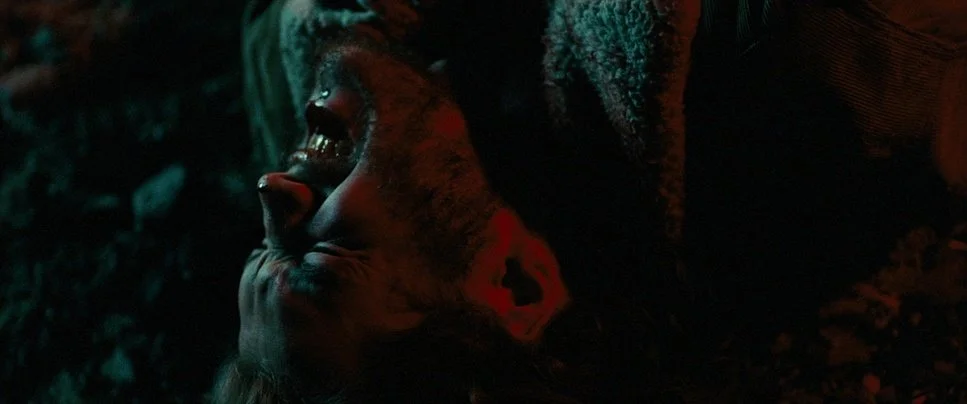
The Well will be shot with the uncompromising grit and visceral immediacy of Black Hawk Down, Lone Survivor, and American Sniper — handheld, in your face, and relentlessly physical. The Afghanistan sequences are dusty, sun-bleached, and brutally real. This is not a sanitized war film. It looks and feels like something that actually happened because it did.
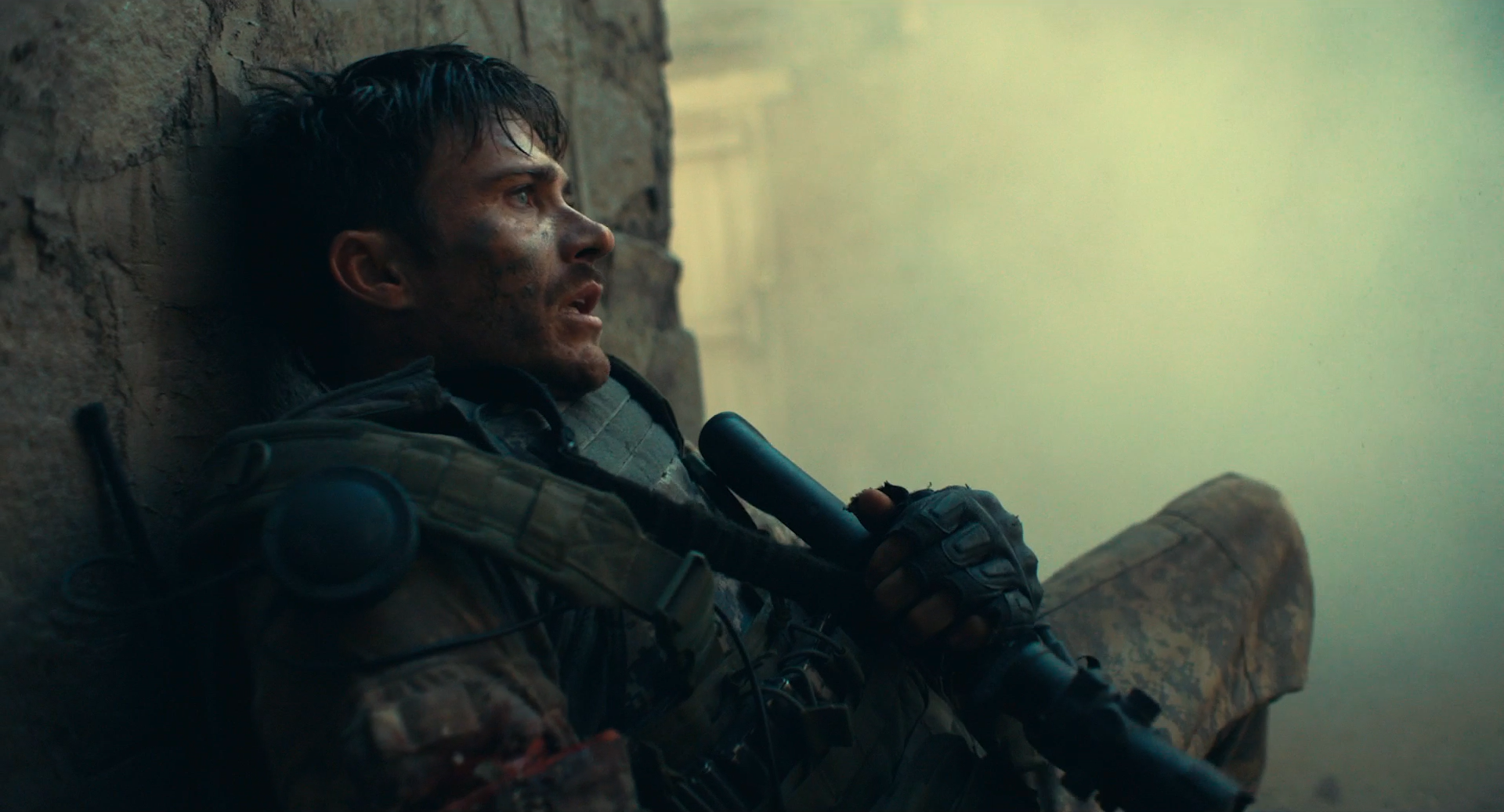

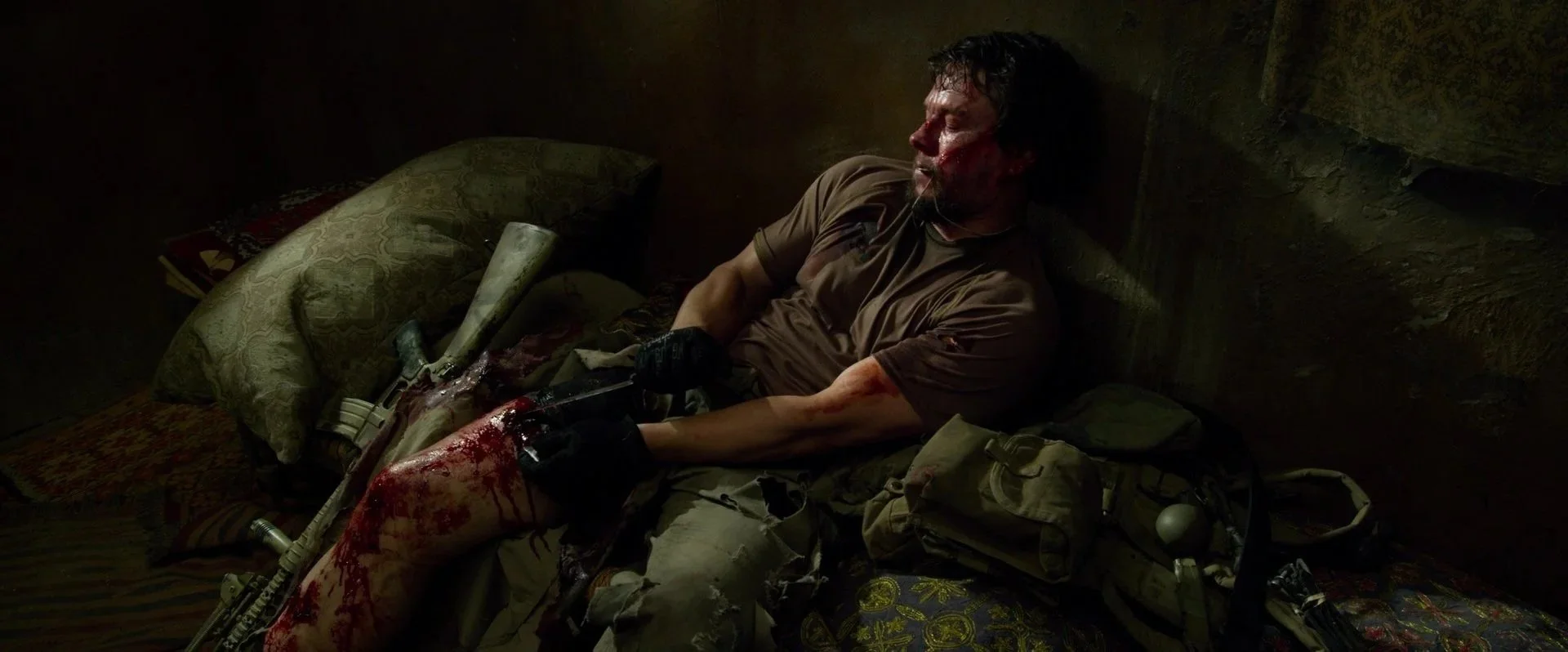
But beneath the grit, something deeper.
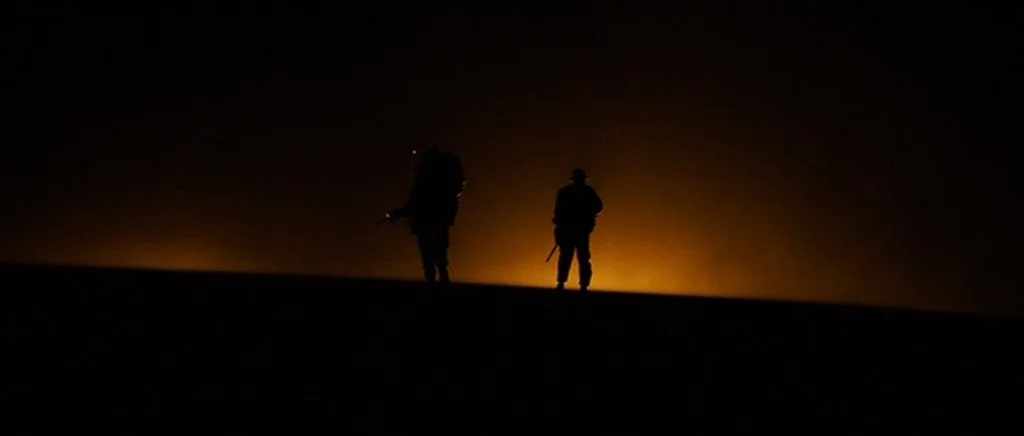
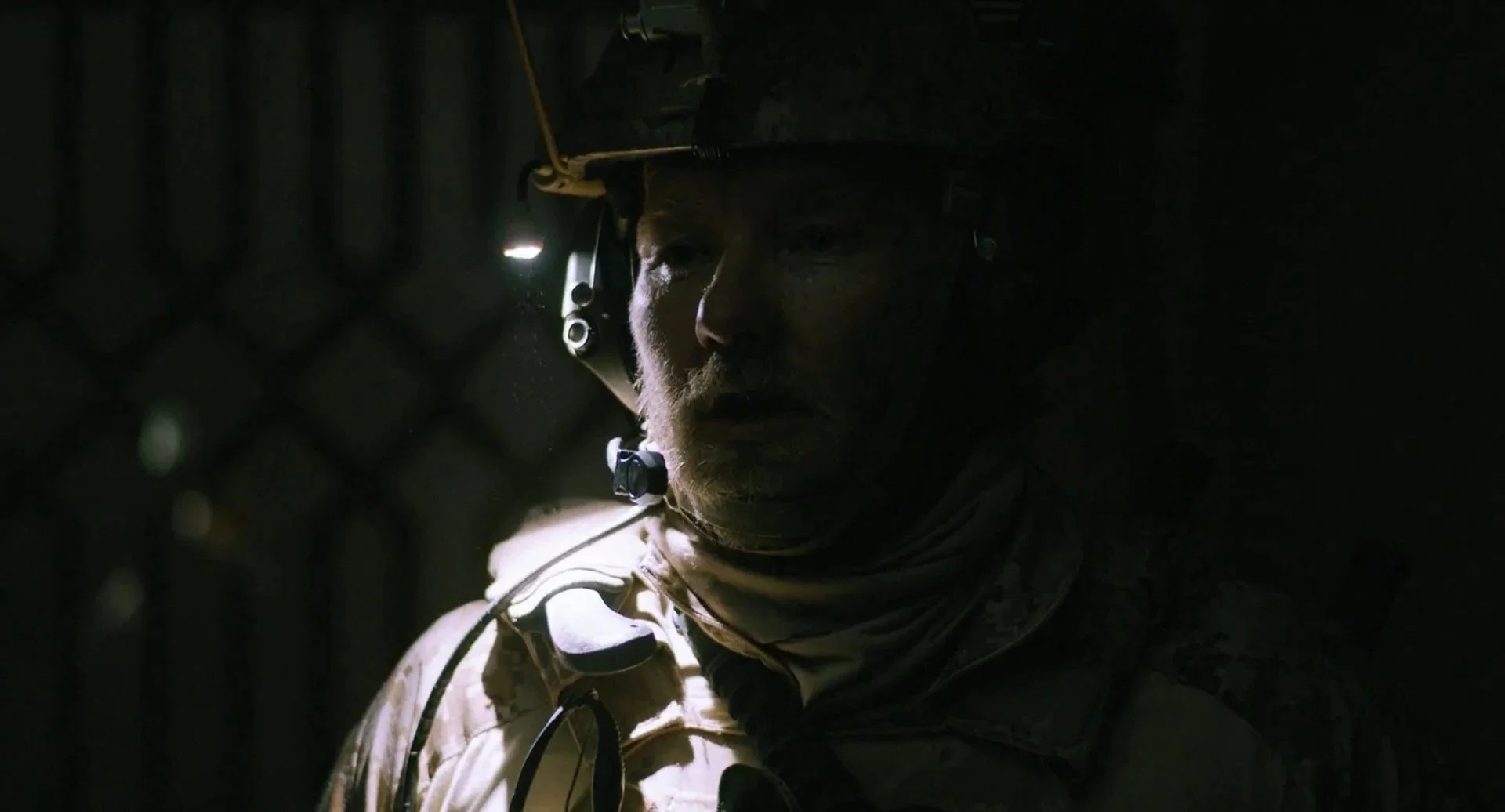
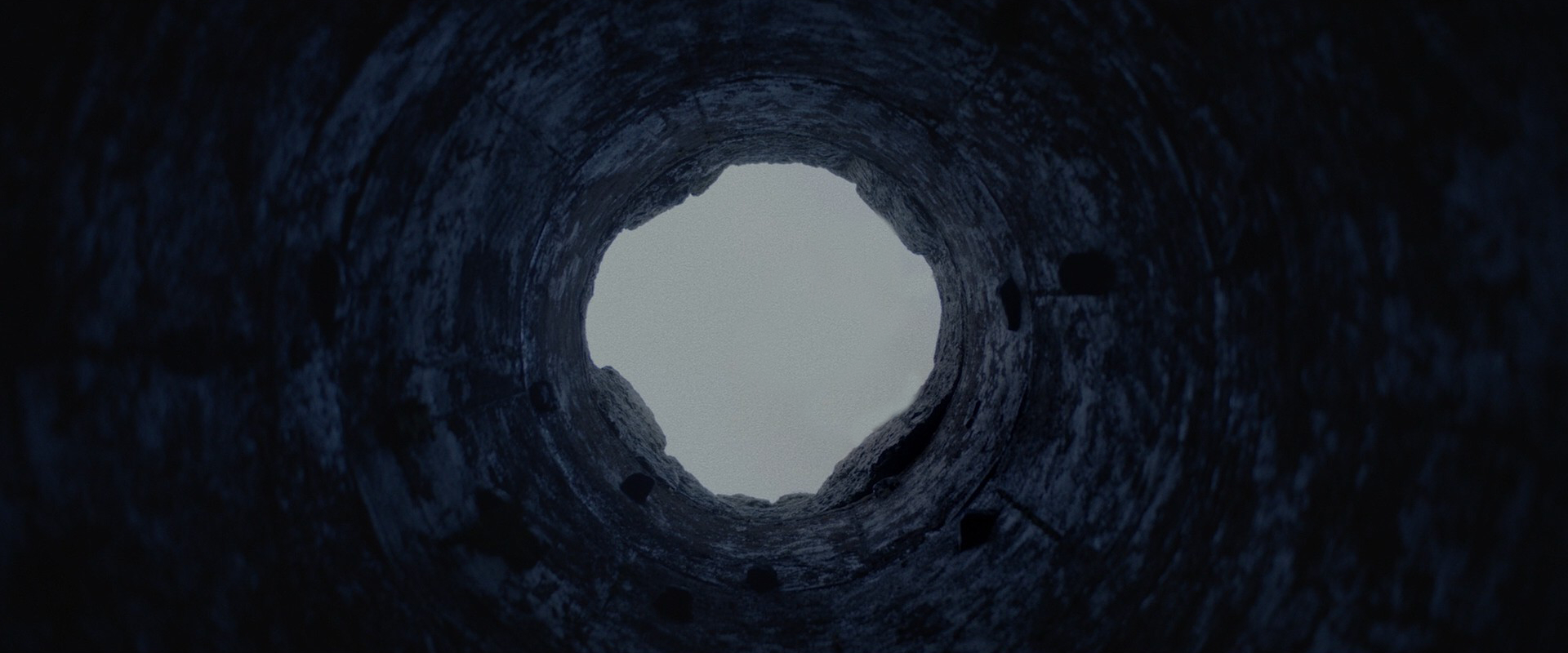
As Mills descends into the well the visual language shifts — the harsh desert light gives way to darkness, shadow, and the eerie glow of a chem light reflected in rising water. The well becomes its own world. Claustrophobic, timeless, and strangely spiritual. A place where a man is stripped of everything until only the truth remains.
Creative Comps
-
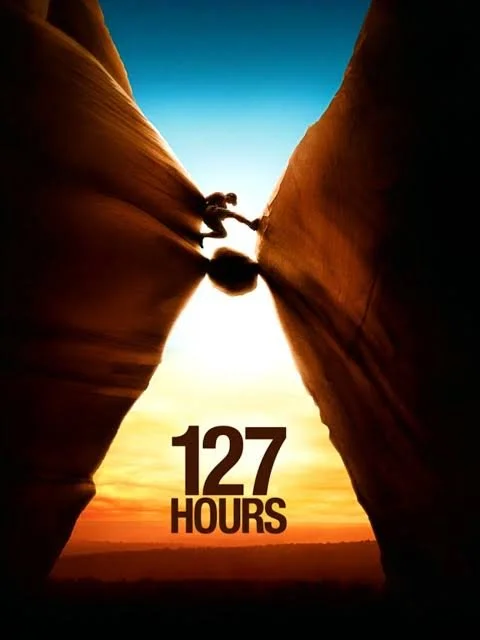
127 Hours
The closest structural blueprint for The Well — a single location, a single protagonist, and a ticking clock that forces a complete psychological reckoning. Danny Boyle proved that radical confinement is not a commercial liability but a creative opportunity. Where Aron Ralston had to amputate an arm to escape, Mills must amputate something harder to name.
-
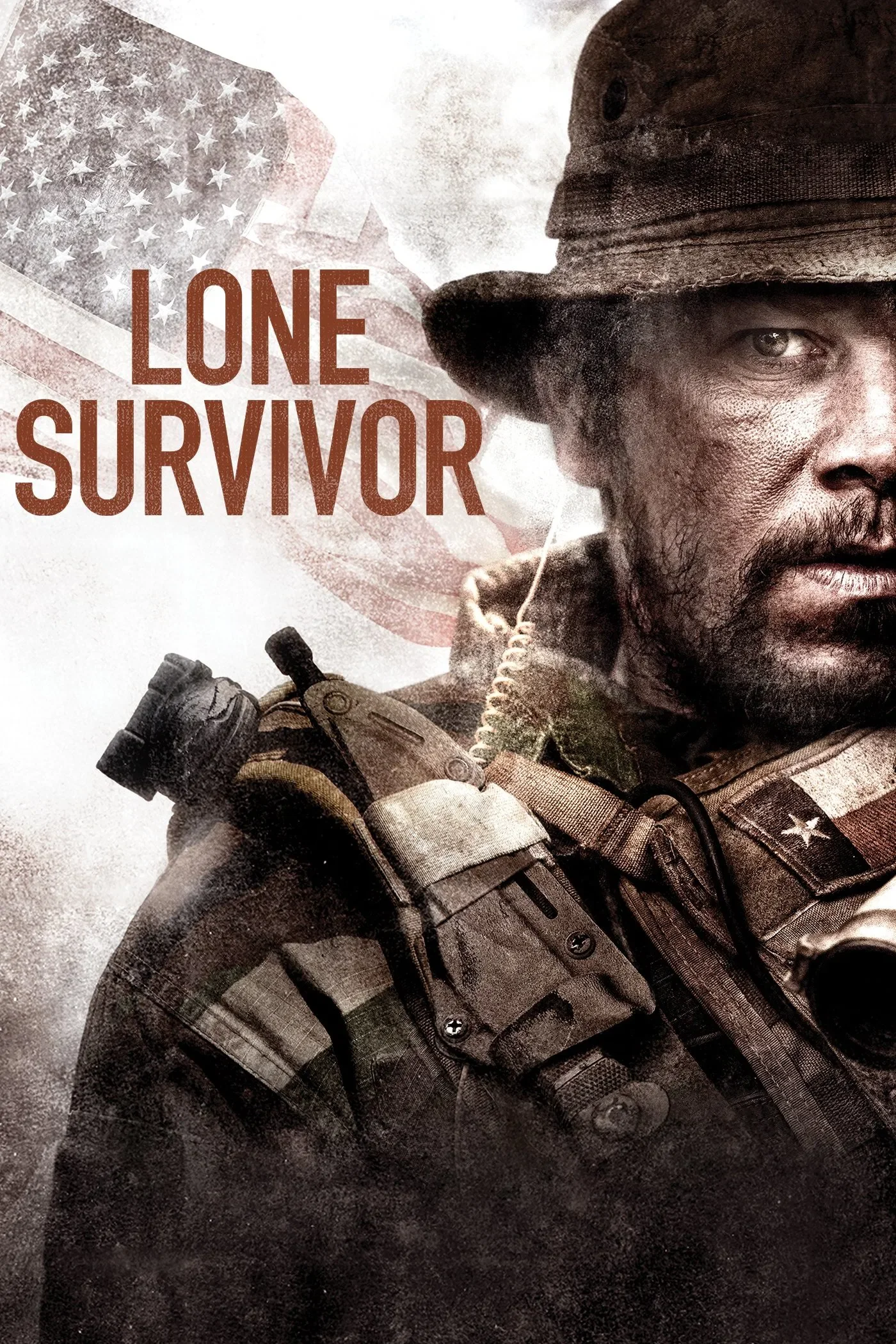
Lone Survivor
Like The Well, Lone Survivor drops a small group of Marines into hostile Afghan terrain and doesn't look away from what happens next. It established that audiences will show up for visceral, authentically rendered combat survival stories and that the bond between soldiers gives those stories an emotional weight that transcends the genre.
-
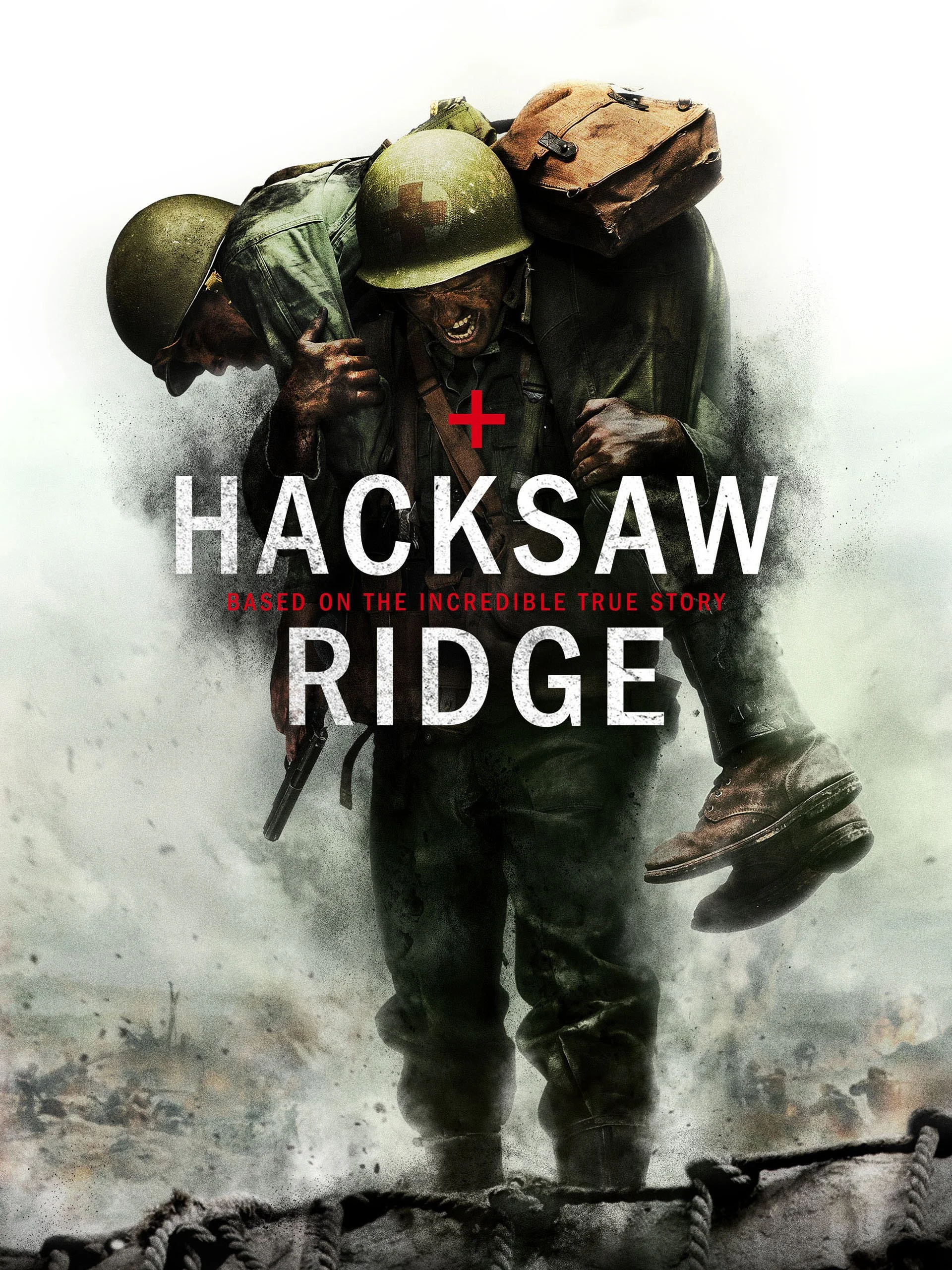
Hacksaw Ridge
Hacksaw Ridge understands that the most powerful war films are not just about combat but about conviction. Mel Gibson proved that a war film with an explicitly spiritual dimension can be both viscerally intense and emotionally transcendent — and that audiences will respond to a protagonist whose internal journey is as gripping as the battle around him. The Well walks that same razor's edge.
Request a Script
Fill out the form to request a script for The Well.